

Resume in Azure #03: HTML Site
#CloudGuruChallenge Series

I continue in this post the implementation of an Azure Static Website as part of the #CloudGuruChallenge. The deadline is set for the end of the month, where I have to have a site running in Azure with a visitor counter created using Azure Functions. This post I cover the creation of the HTML site without the visitor counter.
These blog posts are a part of a series of my notes and experience during this challenge. I will have a final and detailed blog post which will be used as part of my submission for the challenge.
Clone GitHub Repo
I start with cloning the GitHub repo I created in my last post where I can store the files I will be editing as part of the website. First I loaded my preferred code editor program, VS Code, as a new window. Here I am presented with the option to Clone Repository.
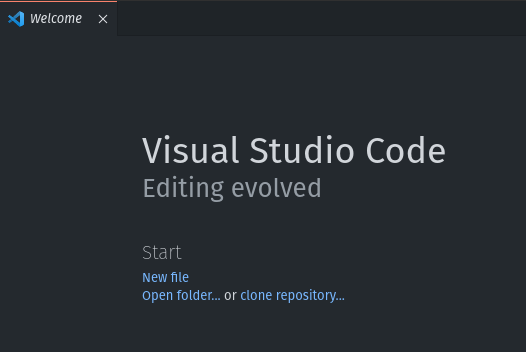
I selected this and was given an option to Clone from GitHub which I also selected.

Here I am given a list of repositories my GitHub account has access to. I select the repo for this project and select a location to store locally.
HTML Site
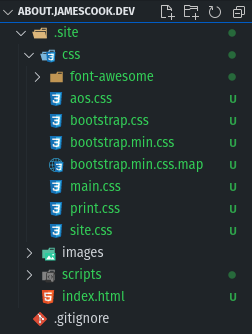
I am not a web developer, so I went by the suggestion of finding a free template online. Once I found one, I downloaded the contents and copied it into the local repository folder I cloned. I then started editing the site to represent my resume (CV), removing all the example text and images. I also duplicate or removed some of the features I didn't want to make it my own. To see the finish html site, click here.
Commit and Push
Once I was happy the site was completed, I was ready to commit the changes and push them to the main branch of my repository. First I had to click the plus symbol at the top of the repo branch to select all files to stage the commit.
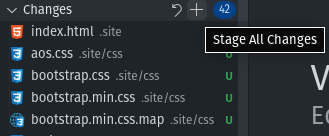
I then selected from the left side menu the Source Control function.

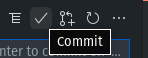
Here I then enter a commit message that represents what I have done and then select the tick button to complete commit.
Finally, I push the commit to my main repository by select the push and pull sync option at the bottom of the window.

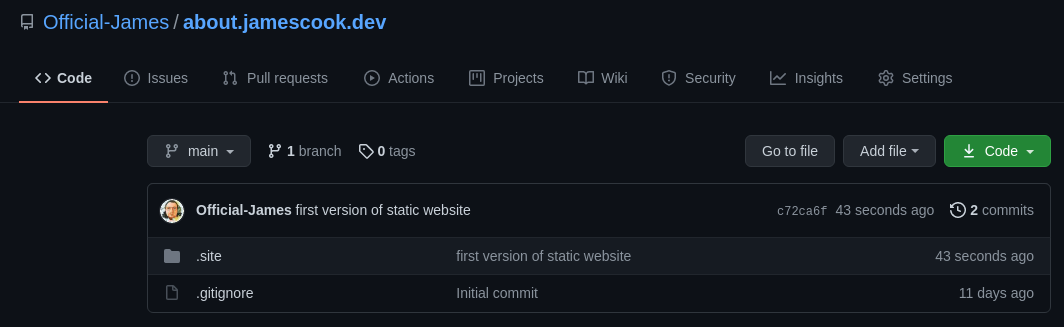
Now I have my HTML in the GitHub repository I created.
What's Next
Next I will create the Terraform code that will represent the infrastructure that will be created for this static site to function. I will have to revisit this later to incorporate the visitor count.
About the author
Executive technology leader responsible for platform reliability, cloud operations, security posture, and enterprise technology risk within an investor-backed fintech environment. I lead technology operations at the intersection of engineering execution, governance, and business outcomes — ensuring platforms are scalable, resilient, and trusted by investors, regulators, and clients.
Currently VP of DevOps at InvestorFlow, where I focus on building board-ready technology operations, strengthening risk and resilience, and shaping long-term platform strategy to support growth and regulatory confidence.
Comments
Join the discussionNo comments yet. Be the first to comment.
#CloudGuruChallenge - Azure Resume (2021)
A Cloud Guru hosts challenges throughout the year with the aim of setting an objective to meet with requirements that must be adhere to. This challenge is about creating a static web page in Azure.


